The Ultimate Guide to Buying Your First Used Car
Posted Friday, Feb 13, 2026
Buying your first car is an exciting milestone, but navigating the used car market can sometimes feel overwhelming. This comprehensive guide for first-time car buyers simplifies the entire car-buying process into easy, actionable steps so you can make a confident and informed decision. Whether you're thinking about purchasing from a dealership or a private seller, understanding financing options, vehicle inspections, test drives, and the true monthly cost of ownership will help you move forward with clarity and peace of mind.
1. What should I know before I start shopping for a used car, and how do I set my budget?
Setting a budget is the first step when buying your first car. Determine how much you can afford by calculating total monthly car expenses, including monthly payment, insurance, fuel, maintenance, and registration. Use tools like Kelley Blue Book to get an idea of the price of the car and to determine how much you should pay for a particular make and model. Decide whether you want to buy a new car or buy a used car; for most first-time buyers, buying used vehicles offers lower depreciation and better value.
When setting a budget, consider whether you’ll finance the car, pay cash, or use a combination. If you plan to finance, calculate a realistic monthly car payment you can afford and remember to factor in interest rates and the loan term. Determine how much down payment you can make—this will lower your monthly payment and may improve interest rates. Take your time to find the best financing option that fits your budget and long-term goals.
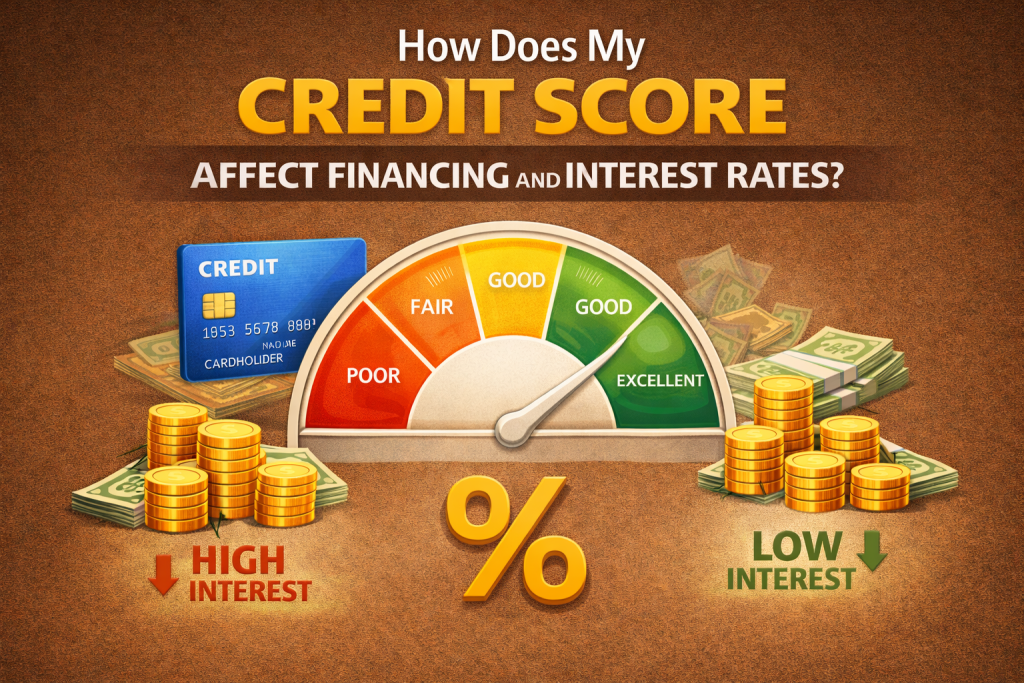
2. How does my credit score affect financing and interest rates when buying a used car?
Your credit score plays a major role in the financing terms you’ll receive. Know your credit score before you start the car-buying process; lenders use it to set interest rates and determine eligibility for a car loan. If your credit score is strong, you’ll typically qualify for lower interest rates and shorter loan terms, which reduces total interest paid. If your credit score is low, consider steps you can take to improve it before applying for a loan, or find lenders who specialize in financing first-time buyers.
 Shop around for preapproved financing offers from banks, credit unions, and dealerships. Compare interest rates, loan term lengths, and monthly payment scenarios to find the car payment you can afford. Preapproval gives you negotiating leverage when you visit a dealership or private seller and helps you avoid costly financing surprises at the point of sale.
3. Where should I look for used cars: dealership or private seller—what are the differences?
Buying from a dealership vs. buying from a private seller each has pros and cons. Dealerships often offer certified pre-owned programs, limited warranties, and more transparent vehicle history reports like CARFAX. They may provide used car financing and handle title and registration, simplifying the buying process. However, dealerships may include additional fees and higher sticker prices compared to private sellers.
Private sellers can offer lower prices and a faster negotiation process, but you’ll need to be more cautious about service records, wear and tear, and verifying the vehicle history. Always request a bill of sale, inspect maintenance and service records, and obtain a vehicle history report. Whether you’re at a car dealership or meeting a private seller, take your time and get everything in writing to protect your purchase.
4. How do I find the best used vehicles for my needs and fit my budget?
Start by listing must-have features like safety features, fuel efficiency, cargo space, and reliability. Use online research tools—Kelley Blue Book, CARFAX, and manufacturer sites—to compare models and price ranges. Narrow your search to a few reliable models known for longevity and low cost of ownership. Consider used vehicles with complete service records and a lower history of major repairs to minimize unexpected expenses.
When shopping for a used car, set your budget and stick to it. Consider both the purchase price and ongoing expenses. Create a short list of vehicles that match your needs and arrange test drives. Use negotiation strategies to get a fair price: know the vehicle’s fair market value, ask about incentives, and be ready to walk away if the deal doesn’t fit your budget. Taking your time helps you find a car that fits your lifestyle and financial plan.
5. How should I prepare for and conduct a test drive like a pro?
A test drive is where you get behind the wheel and see how the vehicle performs. Before you go, prepare a checklist of things to evaluate: engine performance, brakes, steering, transmission shifts, noise levels, and comfort. Test the car in different conditions—city traffic, highway speeds, and rough roads—to assess acceleration, handling, and ride quality. Bring a friend or family member to get a second opinion during the test drive.
Look for warning signs such as pulling to one side, strange noises, or dashboard alerts. If possible, inspect wear and tear in the interior and check that safety features are functional. If anything feels off during the test drive, request a professional inspection. Taking a thorough approach to the test drive helps avoid surprises after buying a used car.
6. What documents and inspections should I get before buying a used car?
Obtain a vehicle history report, such as CARFAX, to check for accidents, title issues, and service records. Ask for maintenance records and a bill of sale. Verify the title and ensure there are no liens. If you’re buying from a dealership, confirm what the warranty covers and whether extended warranties are available. If buying from a private seller, confirm the title and registration, and prepare a bill of sale to document the transaction.
Have the vehicle inspected by an independent mechanic before finalizing a purchase. A professional inspection can uncover hidden issues like frame damage, flood history, or imminent mechanical failures. This step is worth the cost and can save thousands in repair bills. Always make your purchase contingent on a satisfactory vehicle inspection and clear title transfer to protect your investment.
7. Should I buy a warranty or rely on used car “as-is” sales?
Warranties can provide valuable peace of mind for first-time buyers. Dealerships often offer certified pre-owned vehicles with limited warranties and comprehensive checks. Extended warranties or service contracts can be purchased to cover major components beyond the initial sale, but weigh the cost against likely repairs and remaining factory coverage. Read warranty terms carefully to understand exclusions, deductible amounts, and authorized service locations.
If you find a great deal “as-is,” be prepared for out-of-pocket repairs. Consider an emergency fund for unexpected car expenses if you decline warranty coverage. For many first-time car buyers, a balance between an inspected vehicle, some warranty coverage, and a realistic budget for repairs is the best approach to reduce long-term ownership costs.
8. How do I negotiate the price and handle trade-ins or down payments?
Negotiation starts with research: know the fair market value using resources like Kelley Blue Book and current listings. When negotiating at a dealership, separate the deal into parts—price of the car, trade-in value, and financing—so you can evaluate each independently. If you have a trade-in, get quotes from multiple dealerships or use online buy-back services to know your vehicle’s worth before you negotiate.
A sizable down payment reduces your loan term and monthly payment, and may qualify you for lower interest rates. If you choose dealer financing, be sure to compare their loan terms with your pre-approved offer from a bank or credit union. Don’t sign any finance contract you don’t understand; review interest rates, loan term, and any add-ons like extended warranties or GAP insurance that might inflate the monthly payment.
9. What should first-time buyers know about title, registration, and closing the sale?
Finalize the purchase by ensuring all paperwork is complete: a signed bill of sale, a clear title, odometer disclosure (if required), and any warranty documents. For dealership purchases, they often handle title and registration processing, but confirm timelines and fees. For private sales, go to your local DMV to transfer the title and register the car soon after purchase to avoid fines or legal issues.
Pay attention to taxes, registration fees, and any dealership documentation charges when calculating the total price of buying your first car. Keep copies of all documents in a safe place. Verify that the title is transferred free of liens and that you receive all keys and service records. Completing these steps correctly protects your ownership rights and ensures a smooth transition into car ownership.
10. How can I manage ongoing costs and maintain my used car for long-term value?
Owning a used car requires budgeting for routine maintenance and unexpected repairs. Track total monthly car expenses and schedule regular service based on manufacturer recommendations. Keep service records—they increase resale value and provide peace of mind about the car’s condition. Address wear and tear early to prevent small issues from becoming costly repairs.
Consider setting aside an emergency car fund for repairs and planning for future expenses such as new tires, brakes, and timing belt replacements. Proper maintenance supports reliability and helps preserve the vehicle’s value if you decide to sell or trade it in later. Staying proactive with service records and honest maintenance ensures the benefits of buying used cars last for years.
11. How do I make the final decision: buy a new car or buy a used car for my first car?
Deciding between buying a new car and buying a used car depends on your priorities. A new car offers the latest safety features, a full factory warranty, and lower expected maintenance in the early years. However, buying a used car often translates to better value, lower purchase price, and reduced depreciation—benefits that matter for many first-time buyers facing tight budgets.
Weigh long-term ownership costs, available financing options, and your tolerance for risk. If peace of mind is paramount, a certified pre-owned vehicle from a reputable dealership can combine lower cost with warranty coverage. If you want to save money upfront, an inspected used vehicle with solid service records can be the smarter choice.

12. What final tips for first-time car buyers can help me feel confident and avoid mistakes?
Tips for first-time car buyers include: know your credit score, determine how much you can comfortably pay monthly, and take your time when shopping for a car. Always request a vehicle history report, get a mechanic’s inspection, and take a thorough test drive. Avoid impulse purchases; walking away is often the best negotiating tool if a deal doesn’t feel right.
Keep a checklist for the car-buying process—budget, models to consider, vehicle history, inspection results, financing offers, and paperwork. Use trusted resources for price comparisons and be skeptical of deals that seem too good to be true. With a methodical approach, you’ll make an informed purchase and gain confidence as a first-time buyer in the car-buying world.
13. How can I use resources like vehicle history reports and service records to gain peace of mind?
Vehicle history reports, like CARFAX, provide a record of title issues, accidents, and service appointments. Review these reports carefully to spot red flags such as multiple owners, flood damage, or inconsistent mileage. Service records are equally valuable; they show the vehicle was maintained and can indicate whether major components were replaced or serviced.
Ask sellers for comprehensive service records and compare them to the vehicle history report for consistency. If records are missing or the report shows gaps, factor that uncertainty into your decision and negotiation. A well-documented service history helps you buy a reliable used car and can be a key bargaining point when negotiating price.
Summary — Key Takeaways for First-Time Car Buyers
- Set your budget: determine total monthly car expenses and a target monthly payment you can afford.
- Know your credit score: it affects financing, interest rates, and loan term options.
- Research and compare: use Kelley Blue Book, CARFAX, and multiple dealerships to find the best used vehicles.
- Insist on a test drive and independent inspection to uncover mechanical issues.
- Get all paperwork in order: vehicle history report, bill of sale, title transfer, registration, and warranty documents.
- Consider warranties and certified pre-owned options for added peace of mind.
- Negotiate price, trade-in, and financing separately and compare preapproved loans with dealership offers.
- Keep service records and budget for ongoing maintenance to protect your investment.
Finding the right used car as a first-time car buyer is achievable with research, patience, and the right questions. Whether you’re financing through a lender, negotiating at a dealership, or buying from a private seller, the steps above will guide you through the car-buying process and help you make a confident decision. For personalized help, consider visiting trusted local dealerships like Ethan Hunt Automotive LLC, a Used Car Dealer in Mobile, AL, where first-time car buyer resources, used car financing options, and experienced staff can guide you. With these tips for first-time car buyers, you’ll be ready to enjoy car ownership and the many benefits of buying used cars.